

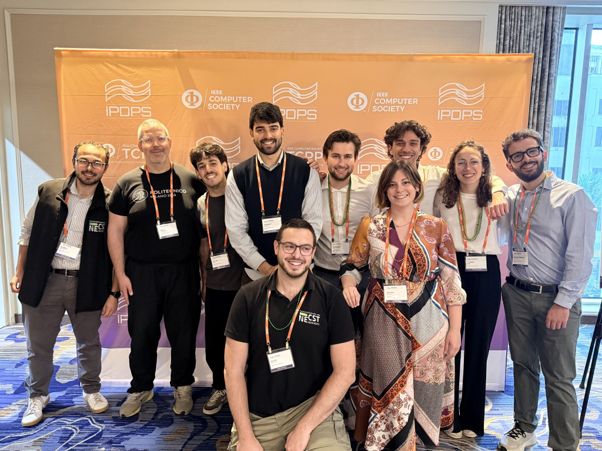
Connecting Research Across Continents
The Politecnico di Milano team recently took part in the 40th IEEE International Parallel & Distributed Processing S

How CancerScan’s Technology Could Be Used in the Future
CancerScan is an ambitious European research initiative developing a new generation of smart pathology technology. At it
Understanding Treatment Resistance: VHIR’s Role in CancerScan
The Clinical Challenge One of the greatest challenges in PDAC (Pancreatic Ductal Adenocarcinoma) treatment is that thera
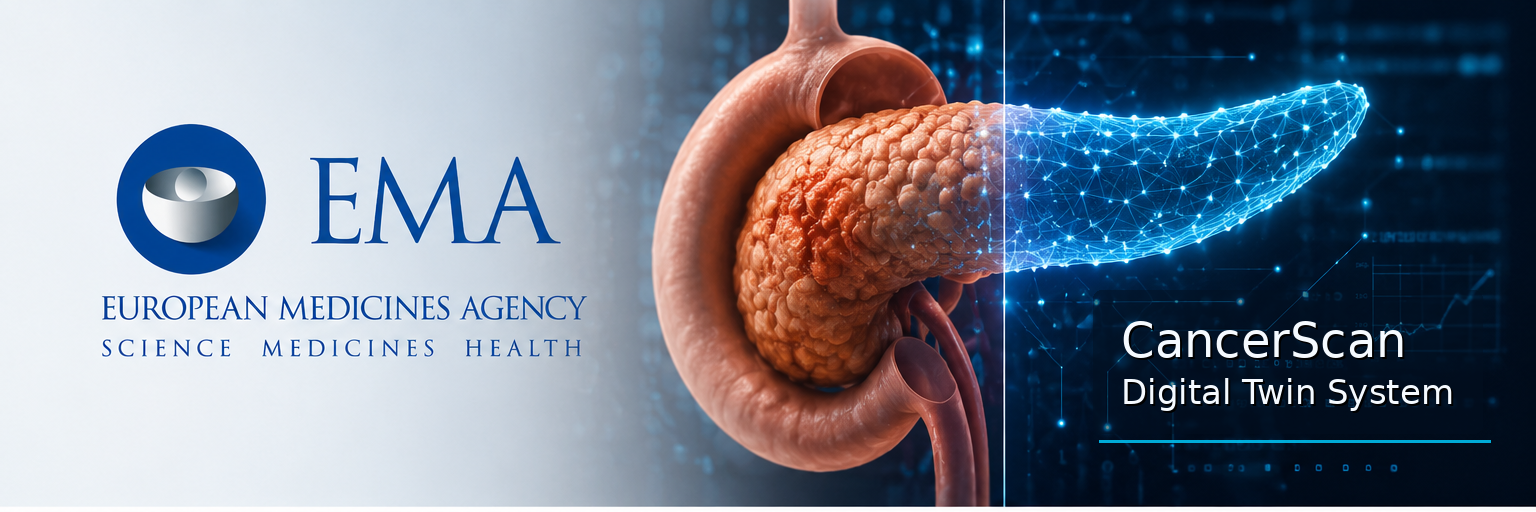
CancerScan Digital Twin System receives EMA Breakthrough Device designation
The CancerScan Digital Twin System, a medical device being developed within the CancerScan Project, has received EMA Bre

What Is a Tumour Digital Twin?
The clinical challenge: Why standard oncology struggles with treatment prediction When an oncologist recommends chemothe
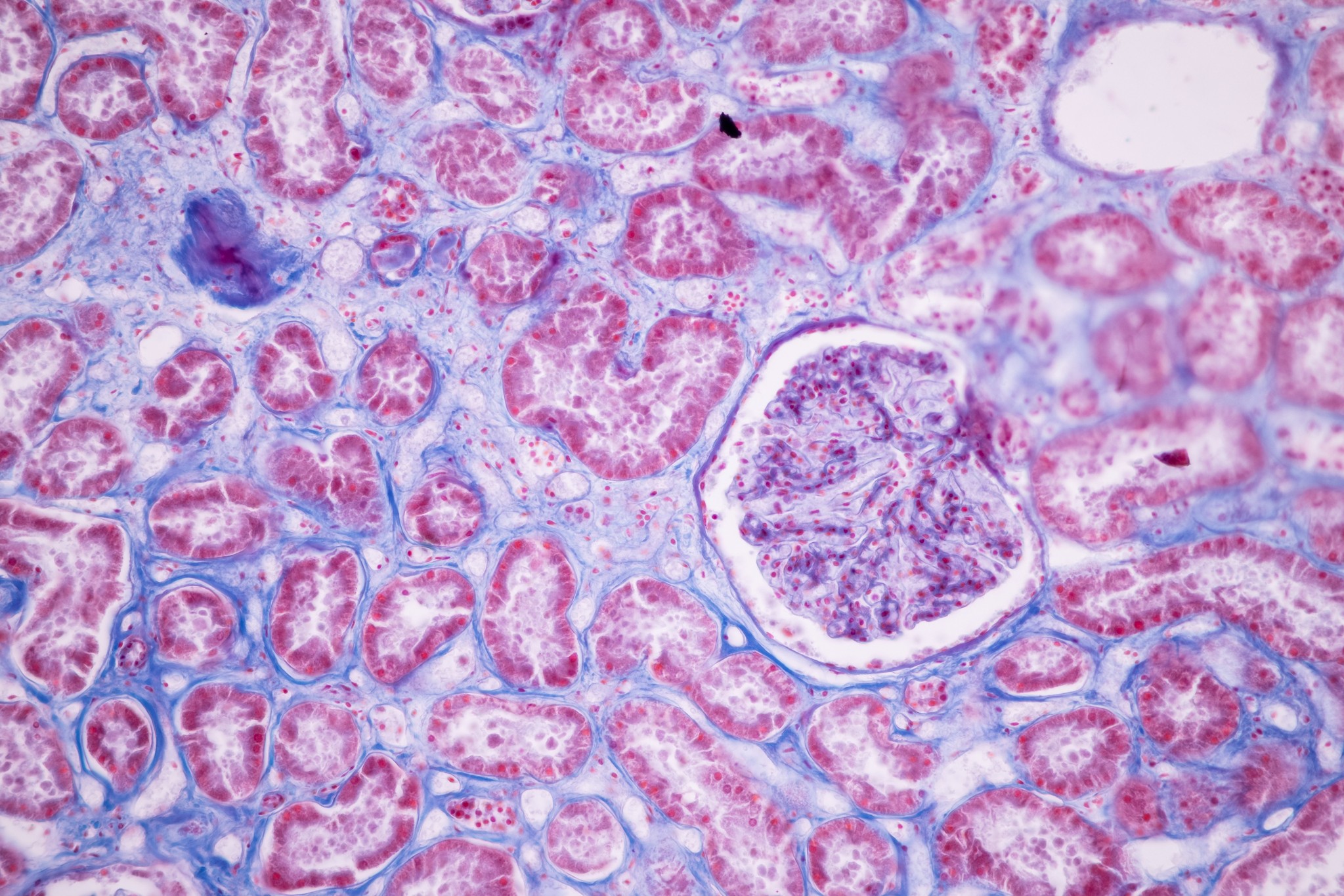
Decoding cancer cell communication to improve pancreatic cancer treatment
Cancer cells do not act alone. Through complex communication networks and signalling pathways, tumour cells and their mi

The UNIBI Team and its Expertise for CancerScan
The UNIBI team participating in the CancerScan project is part of the Genome Data Science (GDS) group at Bielefeld Unive

A shared roadmap for how CancerScan will communicate and amplify its results
The CancerScan consortium has completed and submitted the Plan for Dissemination and Communication Activities, marking a

Structuring Cancer Research Knowledge Through Knowledge Graphs
Cancer is not a single disease but a complex set of disorders driven by interactions among genetics, environment, and li