What Is a Tumour Digital Twin?
The clinical challenge: Why standard oncology struggles with treatment prediction
When an oncologist recommends chemotherapy, immunotherapy, or targeted treatment, the decision relies heavily on statistical averages. Clinical trials show that a particular drug works for 40% of patients with similar biomarkers, but predicting which individual patient will respond remains largely guesswork. Tumours that initially shrink often develop resistance within months, forcing clinicians to react to failure rather than anticipate it.
The core problem is that tumours are not static targets. They are complex ecosystems where cancer cells, immune cells, blood vessels, and supporting tissue constantly communicate and adapt. Standard approaches correlate biomarkers with outcomes but cannot model how these ecosystems will evolve under treatment pressure.
What is a digital twin?
The concept of a digital twin originated in aerospace and manufacturing. Engineers create virtual replicas of jet engines or power plants that mirror their physical counterparts in real time. Sensors feed data into the digital model, which simulates how the system will behave under different conditions, predicting failures before they occur and optimizing performance without physical testing.
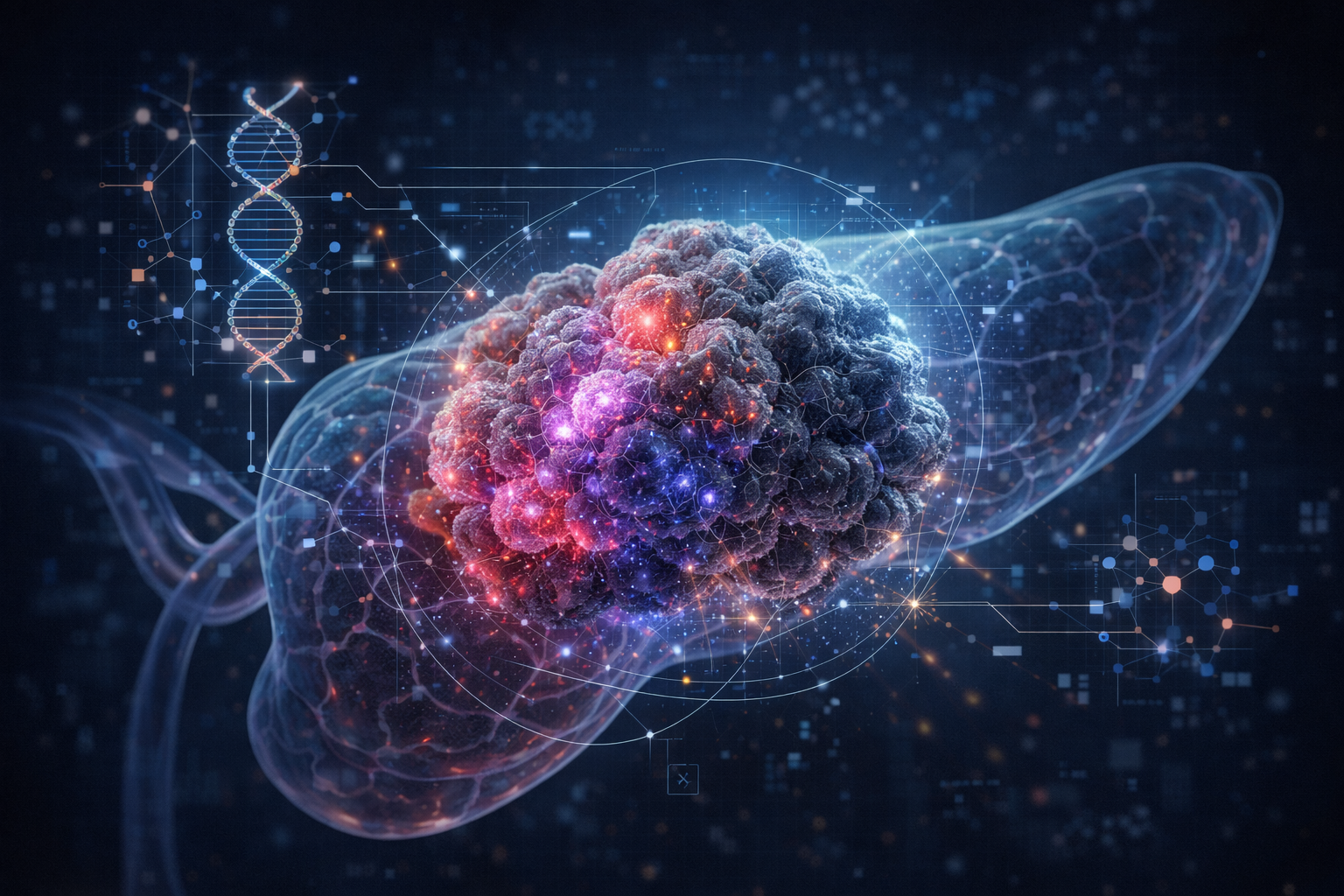
A tumour digital twin applies this principle to cancer. It is a computational model that replicates a specific patient’s tumour, using data from biopsies, imaging, and molecular analysis to simulate how that tumour will respond to different treatments before therapy begins.
Building blocks of a tumour digital twin
Creating a functional tumour digital twin requires three essential components working together.
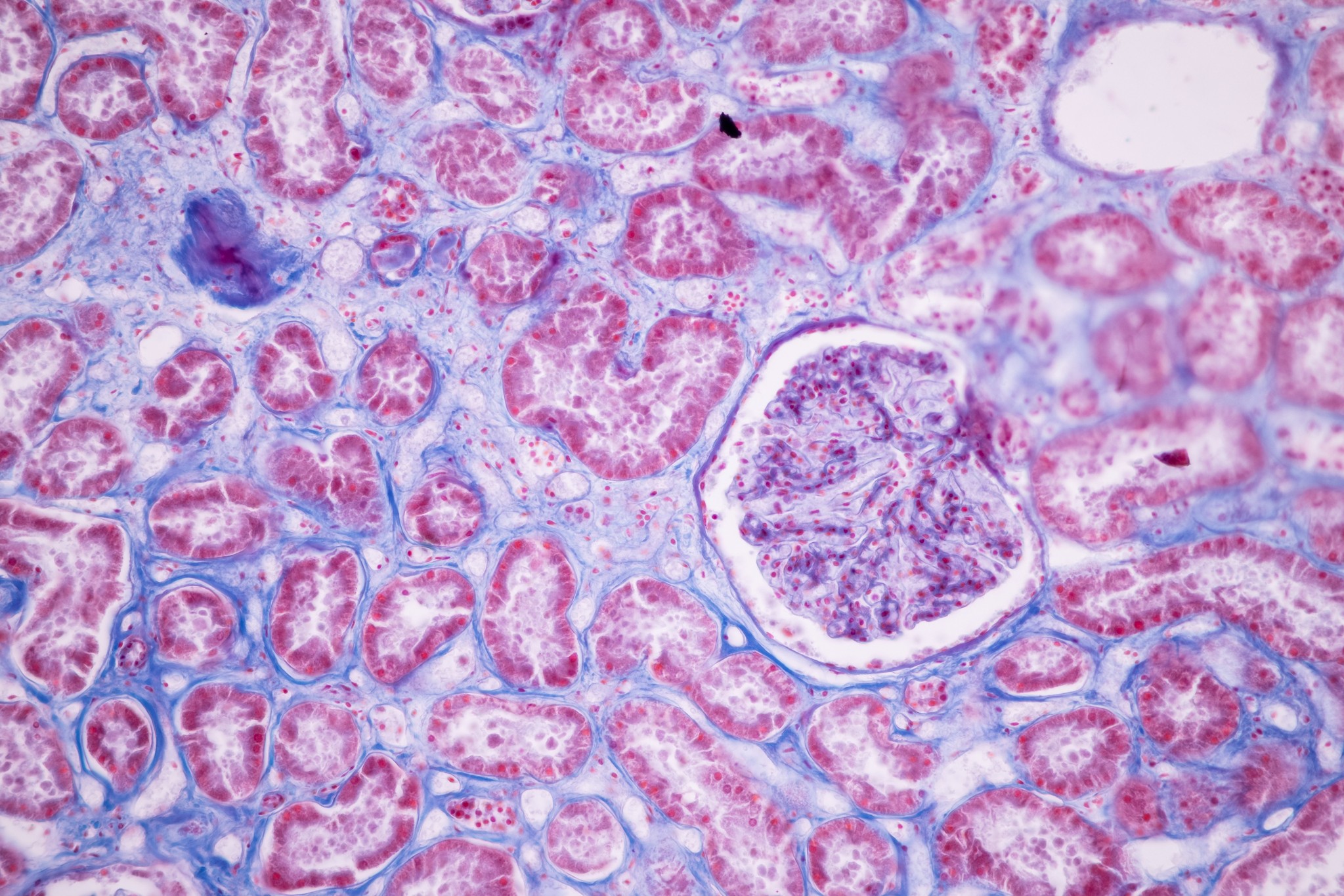
Patient-specific data inputs provide the raw material. Pathology slides reveal tumour architecture and cell type composition. Single-cell RNA sequencing captures which genes are active in different cell populations. Imaging shows spatial organization and vascular structure. Clinical records document treatment history and outcomes. Each patient’s tumour speaks a unique dialect of cancer biology, and the digital twin must learn that specific language.
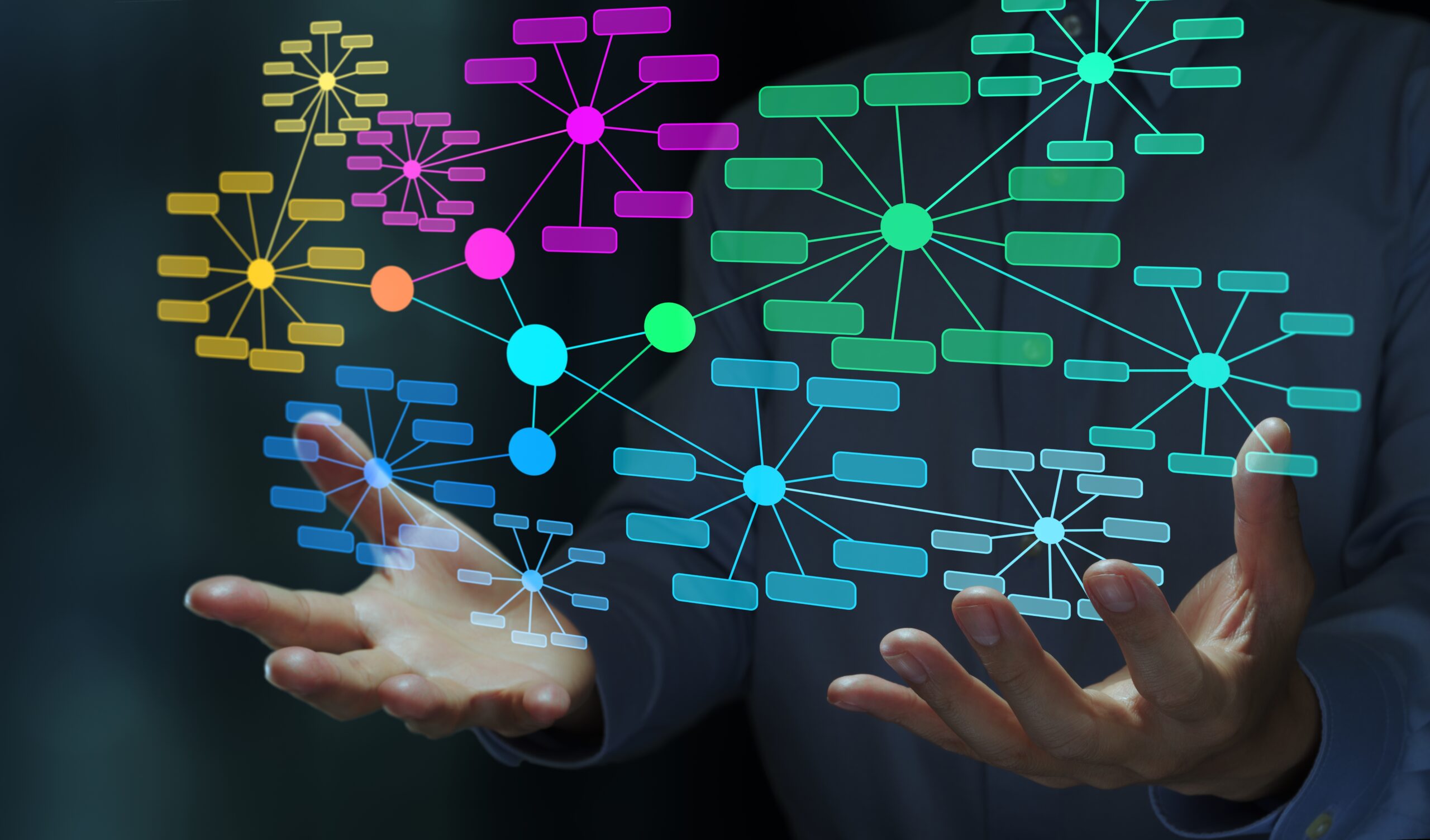
Biological knowledge integration anchors the model in decades of cancer research. Knowledge graphs connect experimental findings about signalling pathways, drug mechanisms, immune interactions, and resistance evolution. This prevents the digital twin from operating as a black box, ensuring predictions align with established biological principles while remaining flexible enough to capture patient-specific variations.
Computational simulation engines execute the actual modelling. These algorithms process patient data through biological knowledge structures to generate predictions. Different mathematical frameworks, from systems of differential equations to agent-based models, can represent tumour dynamics. The choice depends on balancing biological accuracy, computational speed, and clinical deployment constraints.
How it works: From data to prediction
The workflow begins when a patient undergoes a biopsy. Tissue slides are digitized and analysed to identify cell types, spatial patterns, and microenvironment features. Molecular profiling reveals gene expression patterns and protein markers. This data feeds into the digital twin framework, which extracts simulation parameters—growth rates, death rates, drug sensitivity coefficients, and cell-cell interaction strengths.
The digital twin then runs multiple treatment scenarios. What happens if we apply chemotherapy alone? Chemotherapy plus immunotherapy? A targeted drug followed by radiation? For each scenario, the model simulates tumour evolution over weeks and months, tracking how cell populations shift, resistance emerges, and treatment efficacy changes over time.
Critically, the digital twin quantifies uncertainty. Rather than providing a single prediction, it generates an ensemble of possible outcomes reflecting biological variability and measurement noise. This allows clinicians to assess confidence levels and weigh risks when choosing between treatment options.
What makes CancerScan’s approach unique
CancerScan introduces a fundamental innovation: learning the “proto-grammar” of tumour communication. Traditional models treat cell interactions as fixed parameters where cancer cells always grow at rate X, and immune cells always kill at rate Y. But real tumors are adaptive systems where communication rules shift as the microenvironment changes.
The CancerScan framework learns transformation rules governing how cellular communication networks evolve under treatment pressure. By analysing single-cell transcriptomics data from patient-derived organoids, the system identifies patterns in how cell signalling changes when drugs disrupt the ecosystem. These learned rules enable the digital twin to predict not just immediate treatment response but how resistance mechanisms will emerge over time.
This approach also integrates spatial information often ignored in molecular models. Where cells sit relative to blood vessels, immune infiltrates, and hypoxic regions determines their behaviour. CancerScan’s digital twins capture this spatial architecture alongside molecular profiles, providing a more complete picture of tumour dynamics.
Clinical impact: From reactive to anticipatory treatment
The ultimate goal is to transform oncology from reactive trial-and-error to anticipatory precision medicine. Instead of administering a treatment, waiting months to assess response, then switching drugs after resistance develops, clinicians could simulate multiple strategies in silico before the patient receives any therapy.
Digital twins also enable adaptive treatment optimization. As new biopsy or imaging data becomes available during treatment, the model updates its parameters and refines predictions. This creates a continuous feedback loop between patient response and computational guidance, allowing treatment plans to evolve alongside tumour evolution.
For pharmaceutical companies, digital twins offer a platform for testing drug combinations and dosing schedules without lengthy clinical trials. For academic researchers, they provide hypothesis-testing environments to understand resistance mechanisms.
For patients, they represent the possibility of truly personalized therapy, not just matching drugs to biomarkers, but predicting the specific trajectory their tumour will follow and intervening before resistance takes hold.
CancerScan is building the computational and experimental infrastructure to make this vision a clinical reality. By combining patient-derived organoids, multi-omics profiling, knowledge graph integration, and hardware-accelerated simulation, the project aims to deliver digital twins that are accurate, fast, and deployable in real hospital settings across Europe.
Links
Neovivum website: https://neovivum.com
Neovivum LinkedIn: https://www.linkedin.com/company/neovivum
Neovivum X: https://x.com/neo_vivum
CancerScan website: https://www.cancerscanproject.eu/
CancerScan LinkedIn channel: http://www.linkedin.com/company/cancerscan-project
CancerScan X channel: https://x.com/CancerScan_eu
CancerScan YouTube channel: https://www.youtube.com/@cancerscan-Project
Keywords
tumour digital twin, precision oncology, personalized medicine, tumour microenvironment, cancer ecosystem modelling, computational oncology, multi-omics data integration, cell–cell communication networks, tumour evolution modelling, in silico simulation