

About Diffusion Models, Cancer Cell States and Iterative Generative Exploration
Single-cell cancer data provide detailed molecular snapshots but cannot reveal how individual cells differentiate between healthy and tumour states. CancerZigZag uses iterative dif

How CancerScan’s Technology Could Be Used in the Future
CancerScan is an ambitious European research initiative developing a new generation of smart pathology technology. At its core is a system designed to transform standard biopsy sli
What Is a Tumour Digital Twin?
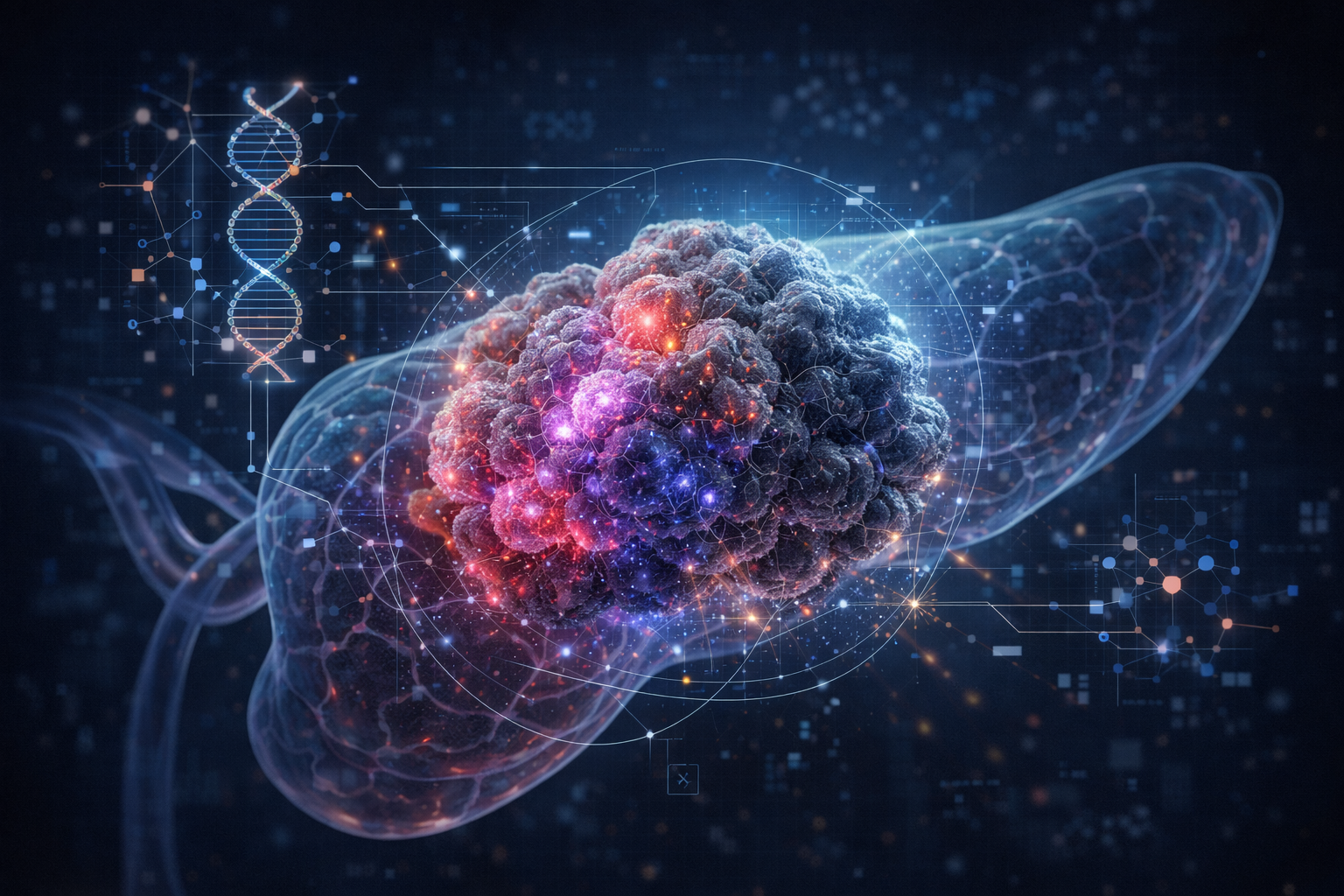
The clinical challenge: Why standard oncology struggles with treatment prediction When an oncologist recommends chemotherapy, immunotherapy, or targeted treatment, the decision rel
Decoding cancer cell communication to improve pancreatic cancer treatment
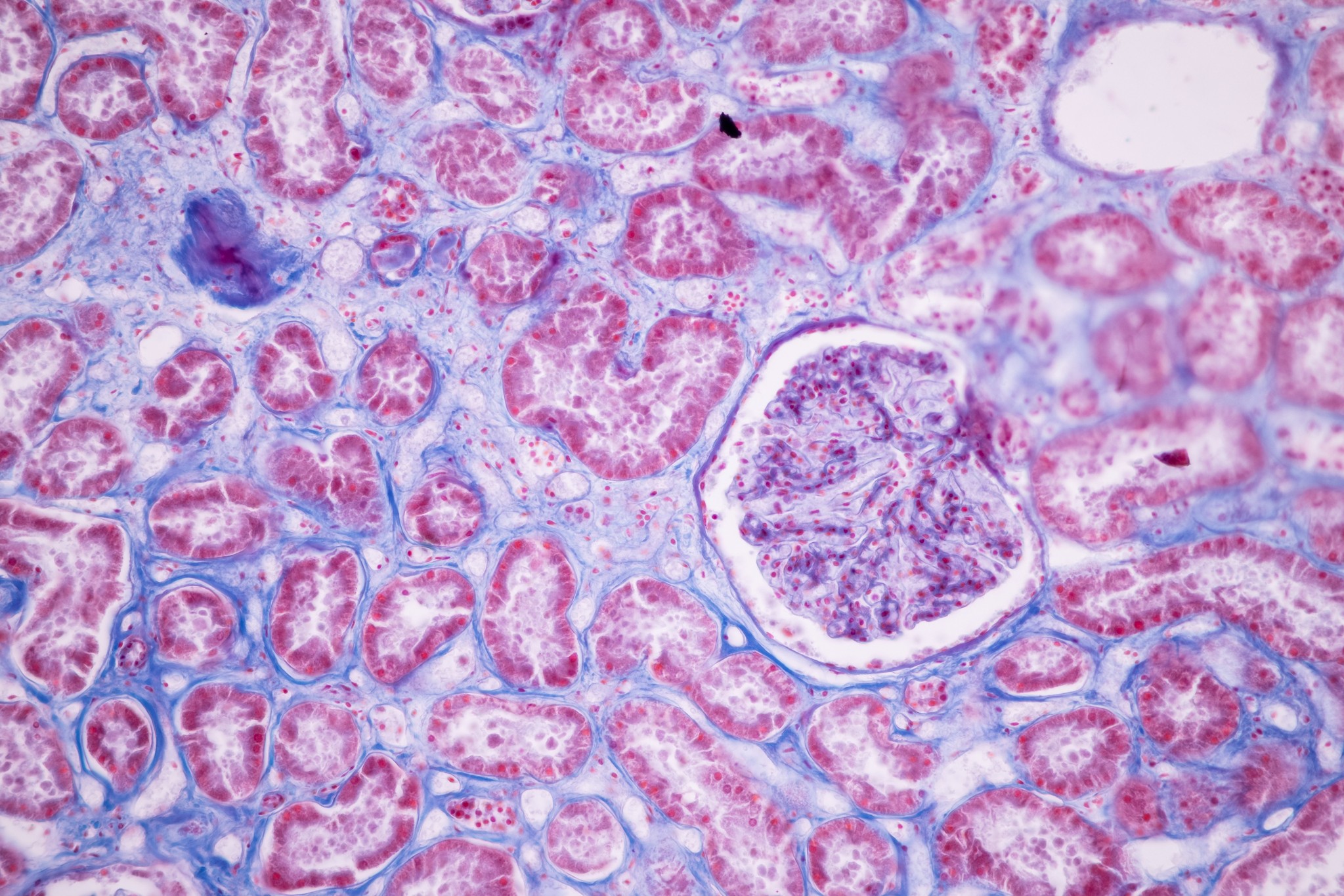
Cancer cells do not act alone. Through complex communication networks and signalling pathways, tumour cells and their microenvironment coordinate adaptive responses that drive drug

Structuring Cancer Research Knowledge Through Knowledge Graphs
Cancer is not a single disease but a complex set of disorders driven by interactions among genetics, environment, and life-style factors. Making sense of such heterogeneous and lar

About Cell-Cell-Communication Networks, Embeddings and Transformers
Tumour cells communicate through complex signalling patterns that evolve over time. Modern machine learning models using embeddings and attention mechanisms offer new ways to decod
Tumor microenvironment (TME) sustains and shapes cancer cell activity
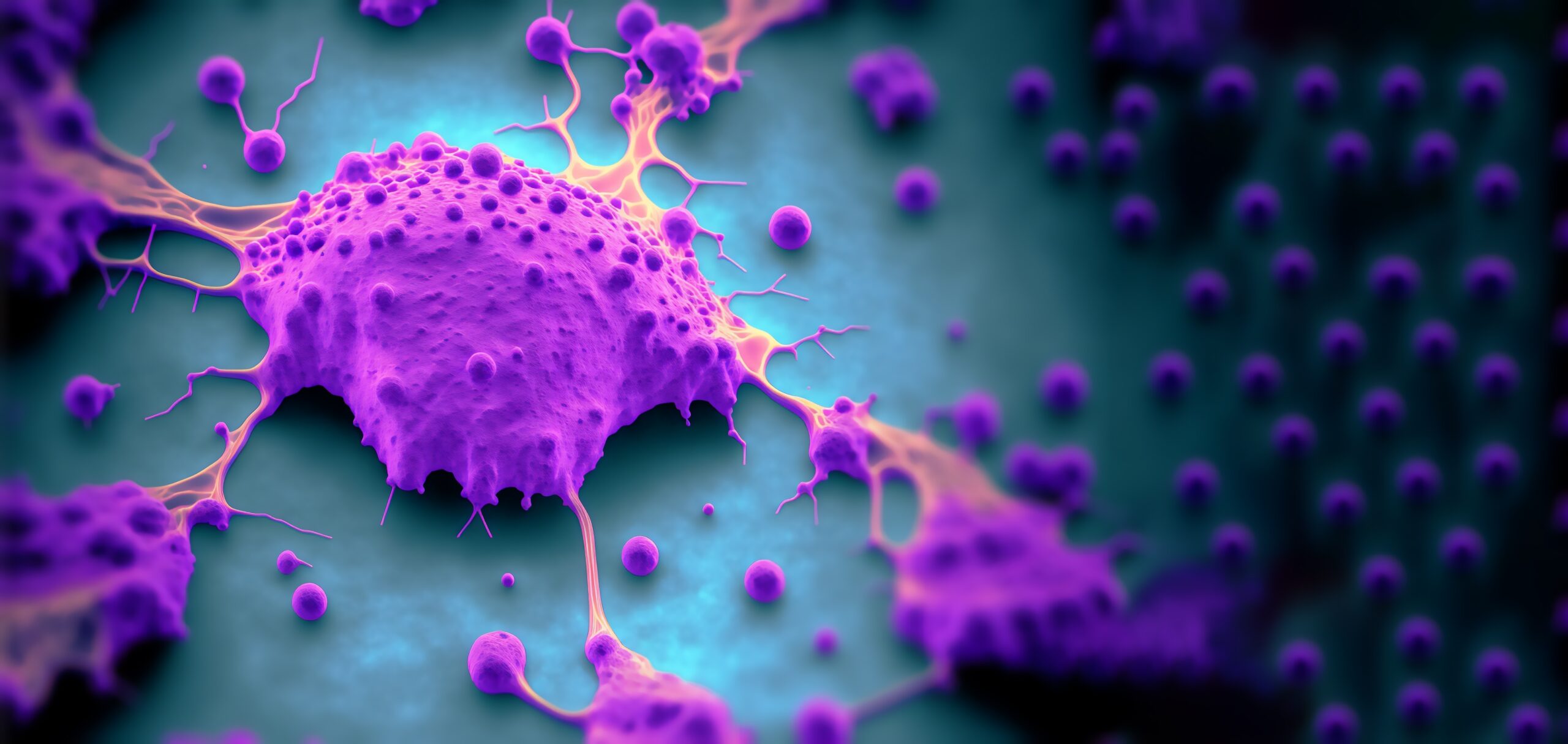
Since the first description of cancer hallmarks by Hanahan and Weinberg 25 years ago (Hanahan and Weinberg, 2000). A striking number of cancer-enabling processes have been identifi
A Heterogeneous GPU–FPGA Computing Infrastructure for Efficient and Accurate Tumour Digital Twin Simulation
Precision medicine represents a paradigm shift in oncology, moving from population-level treatment protocols to patient-specific therapeutic strategies. Central to this vision is t

Europe’s Beating Cancer Plan: From research to reality
Europe’s Beating Cancer Plan is reshaping how Europe prevents, diagnoses, and treats cancer. By combining innovation, digitalisation, and collaboration, it aims to ensure that ev